Germania: Si torna sulla panchina del parco
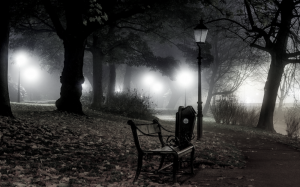
Si torna sulla panchina del parco
Nella notte fra il 7 e l’ 8 luglio 2019 tre anarchici vengono fermati, perquisiti e arrestati nei pressi di una panchina in un parco di Amburgo.
Gli sbirri li accusano di trasportare materiale incendiario e di voler portare a termine azioni in relazione al 2° anniversario del vertice G20 del 2017 ad Amburgo.
Un compagno viene rilasciato e sottoposto a misure restrittive, gli altri due messi in custodia cautelare e tenuti in carcere per 16 mesi.
Dopo quasi un anno e mezzo di manfrine processuali, il 5 novembre 2020 viene pronunciata una prima sentenza che condanna i due compagni imprigionati a 22 e 19 mesi di carcere. Il terzo a 20 mesi.
Ad oggi sono tutti a piede libero.
Il testo che segue è un contributo scritto dai compagni indagati subito dopo il rilascio a novembre 2020.
E alla fine ci siamo. L’udienza principale del cosiddetto “processo della Parkbank” è terminata. Dopo più di 50 giorni di udienze, il verdetto della Grande Camera Penale numero 15 presso il tribunale regionale di Amburgo, è stato pronunciato. Presumibilmente questa non sarà l’ultima volta che prenderanno parola a riguardo; potrebbe comunque volerci un po’ di tempo prima che la sentenza diventi definitiva.
Ma noi – gli anarchici appena condannati – vogliamo dire la nostra, cosa che finora non abbiamo mai fatto (pubblicamente) insieme.
Per quanto riguarda lo svolgimento del processo e delle indagini, ci saranno sicuramente più analisi altrove e in un secondo momento. Con questo scritto, infatti, vogliamo prima di tutto mettere in chiaro la nostra compattezza, la nostra gratitudine e spendere due parole sul verdetto e sulla fine provvisoria di questa odissea. Nonostante ci fossimo già espressi più volte pubblicamente dal carcere in varie occasioni e situazioni, ci siamo resi conto che ancora non avevevamo scritto nulla sulle accuse e sulla ridicola spettacolarizzazione del processo.
Questo perché il profondo rifiuto di partecipare al ruolo di imputati che ci viene imposto, ci è sembrato e ci sembra l’unico modo per preservare la dignità e l’integrità in una situazione del genere. Come anarchici rifiutiamo i tribunali per principio. Sono strumenti di applicazione del dominio.
Il silenzio non ci è risultato facile, vista l’arrogante, cinica strafottenza con cui ci siamo dovuti confrontare durante l’intero processo. È importante per noi sottolineare, tuttavia, che non siamo certamente al cospetto di logiche o realtà che sfuggono l’ordinario. L’utilizzo della custodia cautelare, spesso contornata da oscure procedure investigative, come mezzo di ricatto e pressione volto a spingere l’indagato a cooperare, è la normalità all’interno del sistema giudiziario. Non è assolutamente nostra intenzione “scandalizzare” qualcuno con simili ovvietà – non prendiamo in considerazione l’esistenza di una “corretta” giustizia. Con questo non intendiamo dire che sia insensato menzionare e analizzare questi fenomeni propri di un’istituzione che lavora sempre nell’interesse dell’ordine dominante. Né suggeriamo di adattarsi al cospetto del cinismo di questa istituzione. Ma pensiamo che sia molto più importante trovare un modo attivo, consapevole e autodeterminato per affrontare la repressione. Non abbiamo nulla da aspettarci da loro, ma da noi stessi e dalle persone con cui lottiamo invece sì!
Siamo felici e orgogliosi di dire che ci siamo riusciti bene. Certo, avremo modo di renderci conto in seguito, durante discussioni che verranno e che finora sono state severamente limitate dal carcere, che probabilmente non rifaremmo tutto allo stesso modo – ma alla fine abbiamo lasciato la sala a testa alta e con il cuore sereno, con la consapevolezza di aver preservato la nostra integrità di anarchici.
A parte le norme giuridiche piuttosto complesse e i riti che compongono un tale processo penale, tutto funziona secondo leggi relativamente semplici – concessioni o clemenza vengono date solo in cambio del riconoscimento e dell’apprezzamento dell’autorità, dell’accettazione della punizione e del proprio pentimento.
Quello che abbiamo vissuto durante il processo principale ha dimostrato quanto tutta questa messa in scena del dominio, fatta di legni scuri, di posti a sedere sopraelevati, di assurdi rituali, di ridicole coreografie e di stupidi costumi, si basi sulla paura e sulla riverenza degli imputati. Con la nostra totale negazione del rispetto e della paura, il tribunale non ha trovato, fino all’ultimo, un modo sicuro di affrontare la situazione. Certo, l’arbiritarietà e la violenza dei governanti possono incutere timore, ma non siamo ingenui e sappiamo che alla lunga cedere ai loro ricatti non paga. Se partiamo dal fatto che la gravità della condanna non è il criterio più importante per noi, ma che lo sono invece ben altre questioni, come ad esempio rimanere fedeli a noi stessi, non lasciarsi spezzare e portare avanti il rifiuto di accettare le loro categorie imposte, pensiamo comunque che sia importante e necessario trovare un modo per affrontare le conseguenze che derivano dal nostro agire; trovarlo sia individualmente che collettivamente, tra di noi, nei nostri ambienti e insieme a tuttx i nostri compagnx. I rischi che siamo disposti a correre variano sempre, vogliamo sottolineare che non esiste una soluzione ideale o una pratica universalmente valida. La sfera del giuridico semplicemente non contempla un approccio privo di contraddizioni e compromessi. Si deve cercare di reagire collettivamente, contrastando le pressioni e la vendetta dell’autorità offesa.
Come detto all’inizio, le nostre riflessioni e i confronti tra di noi non sono stati privi di considerazioni tattiche. Abbiamo la grande fortuna di avere al nostro fianco avvocatx abituati a mettere in chiaro le critiche, le perplessità, i rischi e a rispettare e sostenere posizioni chiare e solidali. Insieme abbiamo deciso di adottare una linea prettamente tecnico-giuridica per difenderci al processo, soprattutto perché ci siamo trovati di fronte ad accuse di pratiche cruente e ciniche e quindi di fronte al rischio di pene detentive molto lunghe. La difesa, con la sua tenacia e la sua meticolosità, non solo ha stressato e innervosito la corte, ma ha anche ottenuto notevoli concessioni. Alcune menzogne non erano più sostenibili e il costrutto accusatorio ne è uscito sostanzialmente indebolito.
Non volevamo che il quadro delineato dalle autorità fosse discusso al di là del livello strettamente tecnico del processo. Le nostre idee e noi stessi siamo troppo belli per essere messi in discussione in un posto così brutto! Inoltre, la relativizzazione e la banalizzazione ci disgustano, la linea della negazione è più che stretta, e in generale non dobbiamo a queste persone nessuna spiegazione; esse rappresentano tutto ciò che rifiutiamo. Tanto più che la spazzatura tendenziosa che gli sbirri hanno scritto su di noi era così banale e ovvia, che chiarimenti sul contenuto non erano comunque necessari. Non ci vergogniamo di essere anarchici, e di rappresentare tutto ciò che spaventa le autorità – al contrario!
Nel frattempo, è stato strano per noi assistere passivamente ai giorni del processo e lasciare che gli avvocati facessero tutto il lavoro. Ma questo ha avuto anche un piacevole effetto a livello mentale, in quanto siamo riusciti a mantenere sempre una certa distanza tra noi e il procedimento legale in sé. Inoltre, spesso abbiamo avuto l’impressione di non essere noi, bensì le autorità ad essere sedute sul banco degli imputati. Durante le udienze, l’evidente ed eccessiva pressione della corte, così come l’irritabilità molto poco professionale del procuratore capo Schakau, non hanno fatto mancare di certo momenti di comicità e di soddisfazione. Infine, ma non meno importante, abbiamo sempre avuto i nostrx compagnx al nostro fianco nel vero senso della parola. Soprattutto per quelli di noi in custodia, i giorni del processo, nonostante l’assurdo spettacolo, sono stati momenti, segnati dalla solidarietà e dal calore, che abbiamo aspettato sempre con ansia, per quanto siano stati estenuanti.
Abbiamo imparato molto in questo anno e mezzo. Molte cose che saranno d’aiuto a noi e agli altri compagni in armi nelle nostre lotte sociali rivoluzionarie. Questo ci rende più forti e un po’ più coscienti nel conflitto contro l’oppressione e lo sfruttamento organizzato dello Stato. Non vediamo l’ora di condividere le nostre esperienze e quelle di tutti i compagnx che hanno continuato a portare avanti le lotte all’esterno, per crescere insieme. Abbiamo visto quanta forza è racchiusa in tutte le relazioni solidali che sono state sviluppate e nutrite nel corso degli anni. Siamo anche orgogliosi delle nostre famiglie che ascoltano i loro cuori, che stanno sempre al nostro fianco e credono in noi e non di certo alle bugie degli sbirri. Abbiamo visto e sentito, con grande soddisfazione, come la solidarietà rivoluzionaria abbia preso forma attraverso molte azioni dirette contro le guardie, contro i profittatori delle carceri, contro gli squali dell’immobiliare e contro altre espressioni di sfruttamento dello Stato e del capitalismo, rendendo il loro attacco repressivo, il nostro arresto, una farsa. Questo aspetto è importante perché colpisce diversi punti centrali di tutta questa storia. Eravamo sotto processo in quanto parte “rappresentativa” di lotte sociali le cui espressioni comprendono azioni dirette, attacchi e sabotaggi contro i meccanismi e i responsabili della miseria sociale. Questa accusa deve essere respinta e rispedita al mittente, proprio lì dove sussistono questi conflitti. La vostra repressione non pacificherà né soffocherà questi conflitti, aumenterà solo la tensione sociale.
In questo anno e mezzo si sono susseguiti così tanti eventi a livello globale, e anche locale, che potremmo stare giorni ad elencarli tutti. Molte rivolte sociali e sommosse hanno sfidato e contrastato l’esistente e il sistema dominante in tutto il mondo. Come ad esempio la rivolta durata per mesi in Cile, quella di Hong Kong, le rivolte carcerarie durante l’inizio della pandemia, esplose in molti paesi del mondo, in particolare quelle in Italia. Di contro, anche i nemici della libertà, la reazione, hanno purtroppo guadagnato terreno. Omicidi razzisti e attacchi nazi, antisemiti e patriarcali si sono susseguiti ad Halle e Hanau e in altri luoghi. A cadenza mensile, sono stati scoperti depositi di munizioni e di armi presso i membri dell’esercito e della polizia. I legami tra la destra fascista e gli apparati di sicurezza, così come la minaccia che rappresentano, sono ben noti. Le istituzioni razziste e fasciste non dissimulano più, hanno mostrato apertamente la loro faccia. Naturalmente questo stato di cose è minaccioso e inquietante, anche se non sorprende. Siamo stati incoraggiati dalle organizzazioni indipendenti dei famigliari delle vittime del terrore di destra, che si sono opposte e continuano ad opporsi dignitosamente a queste condizioni insopportabili, ai fascisti e alla marrone massa melmosa delle varie autorità. Restiamo al loro fianco! Le lotte antirazziste e anticoloniali in tutto il mondo, nonostante la pervasiva pandemia di Coronavirus, sono riuscite ad inviare segnali importanti e a far progredire il percorso per porre fine alle condizioni in essere.
Non vediamo l’ora di tornare nelle strade, senza muri, sbarre e vetri a dividerci, e combattere di nuovo fianco a fianco.
Per la rivoluzione sociale!
Per l’anarchia!
Libertà per tuttx!
[Testo tradotto dal n. 78 del giornale anarchico “Zündlumpen” e pubblicato in italiano da malacoda.noblogs.org].
Back on the park bench
In the night between July 7 and 8, 2019, three anarchists are stopped, searched and arrested near a bench in a park in Hamburg.
The cops accuse them of carrying incendiary material and of wanting to carry out actions in relation to the 2nd anniversary of the G20 summit 2017 in Hamburg.
One comrade is released and placed on restrictive measures, the other two put in pre-trial detention and held in jail for 16 months.
After almost a year and a half of procedural rigmarole, an initial sentence is handed down on November 5, 2020, sentencing the two imprisoned comrades to 22 and 19 months in prison. The third to 20 months.
Today they are all at large.
The following text is a contribution written by the investigated comrades immediately after their release in November 2020.
Now the time has come – the main hearing in the so-called “Park Bench Trial” is over, the verdict of the Grand Criminal Chamber 15 at the Hamburg Regional Court has been pronounced after more than 50 days of trial hearings. Presumably this is not the last word; it may still take some time until the verdict becomes final.
But we – the now sentenced anarchists – want to have our say, which is something we have not done (publicly) together until now.
There will certainly be more on the course of the investigations and proceedings elsewhere and at a later date. First of all we want to express our gratitude and commitment here and say a few words about the verdict and the temporary end of this odyssey. Although there have been public statements from prison on various occasions, there were none on the charges and the spectacle of the trial until the end.
This also has to do with the widespread refusal to participate in the role of the accused, which was forced upon us. But it is precisely this attitude that seemed and seems to us the best way to maintain dignity and integrity in such a situation. As anarchists, we reject courts on principle. They are institutions to enforce authority.
The silence in this trial has not always been easy for us in view of the arrogant, cynical impertinence with which we have been confronted throughout the entire process. However, it is important for us to point out that we are not at all dealing here with out-of-control breaches of taboos. Detention as a measure of blackmail to cooperate, waving through illegal investigative measures… quite normal everyday life in the judicial system. We see no prospect of scandalizing such conditions – we do not believe in the possibility of a “fair” justice system. By this we do not mean that it is absurd to name these symptoms of an institution that always works in the interest of the ruling order. Nor do we propose to be cynical about this institution. But we find it much more important to find an active, self-confident and self-determined approach to repression. We have nothing to expect from them, but from ourselves and the people with whom we fight, we can expect all the more!
We are happy and proud to say that we have succeeded in doing so well. Sure, we will realize in the aftermath, in the discussions that have so far been limited by the prison, that we would not do everything the same way again – but in the end we left the courtroom with our heads held high and our hearts pure, with the feeling that we had preserved our integrity as anarchists.
Apart from the quite complex legal regulations and the rituals that form such a criminal trial, everything functions according to relatively simple rules – concessions or even leniency are only given in exchange for recognition and appreciation of authority, assistance with one’s own punishment and repentance.
What we experienced in the main trial showed how much this whole show of power, with all the dark wood, the elevated seating positions, the absurd rituals and choreographies and silly costumes, is dependent on the fear and awe of the defendants. With our extensive refusal to respect and fear, the court has not found a sovereign, face-saving way of dealing with us until the end. Of course we are also afraid of the arbitrariness and violence of the ruling class, but we are not naive and know that in the long run it does not pay off to give in to their blackmail. If we assume that the level of judgement is not the most important benchmark for us, but to remain loyal to other things like ourselves, not to let ourselves be broken, and to refuse to be categorized on this basis, this also means to find a way of dealing with the consequences resulting from this. And we have to find this individually and collectively, among ourselves and together with our surroundings and with all comrades-in-arms. What risks we are willing to take is always a negotiation process, and we want to emphasize that there is no ideal, no patent remedy. The legal sphere simply does not allow for a conflict-free, uncompromising approach. It is also a question of collective management how to counter the harassment and revenge of offended authority.
As mentioned at the start, our approach was not free of tactical considerations. We are very fortunate to have lawyers on our side whose self-understanding includes clearly naming criticism, concerns, and risks and respecting and supporting clear attitudes in solidarity. Together we have decided on a more legal and technical way of defending ourselves during the trial, especially since we were confronted with accusations of fierce and cynical practices and thus the risk of very long prison sentences. With its persistence and meticulousness, the defense not only cost the court its nerves, but also forced it to make substantial concessions. Some of their lies were no longer tenable and their construct was effectively watered down.
We didn’t want the picture that the authorities drew of us to be discussed beyond the technical level during the trial. Our ideas and we ourselves are far too beautiful to be discussed in such an ugly place! We also dislike relativizations and trivializations, the degree to denial is more than narrow and we don’t owe these people any explanation at all; they stand for everything we reject. Especially since the tendentious crap the cops wrote about us was so shallow and diaphanous that explanations of substance were unnecessary anyway. And for the fact that we are anarchists, with all that which scares the authorities, we are not ashamed – on the contrary!
In the meantime, it was also strange for us to attend the trial days largely passively and let the lawyers do all the work. But this also had the pleasant psychological effect that a certain distance was always maintained between us and the trial events and, in addition, the impression often arose that it was not us but the authorities who were being put on trial. The fact that the court was so overwhelmed by this situation also provided moments of comedy and satisfaction, as well as the unprofessional irritability of senior public prosecutor Schakau. Last but not least, we always and literally had our people behind us – especially for us in prison, the trial days were, despite the absurd spectacle, moments of solidarity, warmth and variety, which we always looked forward to, as exhausting as they were.
We have learned a lot in these almost one and a half years. Much that will help us and other comrades-in-arms in our social revolutionary struggles. Which will make us stronger and a bit more conscious in the conflict with organized oppression and exploitation, with the state. We are looking forward to share our experiences and the experiences of all the comrades-in-arms who have continued and developed struggles outside, to grow together in these struggles. We have seen how much strength there is in all the solidary, loving relationships developed and cultivated over the years. We are also proud of our families, who listen to their hearts, who are always behind us and believe in us and not in the lies of the cops. We have seen and felt with great satisfaction how the revolutionary solidarity in the form of many direct actions against the police, prison profiteers, real estate sharks and other expressions of exploitation, against the state and capitalism, their repressive attack, our arrest, has turned into a farce. This aspect is important because it hits several central points in this whole story. We have been on trial as representatives of social struggles, which are expressed through direct actions, attacks and sabotage against those responsible and mechanisms of social misery. This accusation must be struck back precisely where these conflicts exist, where we live. Their repression will neither pacify nor stifle these conflicts, it will only increase the social tension.
In these almost one and a half years, so much has happened on a global scale, but also here that it would go beyond the framework of this text to cover everything. Many social revolts and uprisings have challenged the ruling conditions worldwide. For example, the months-long uprising in Chile, in Hong Kong, the prison outbreaks during the beginning of the Coronavirus pandemic in many countries of the world and especially the prison revolts in Italy. But also the reactions, the enemies of freedom, have unfortunately taken space. Far-right, racist, anti-Semitic and patriarchal murders and attacks in Halle and Hanau and other places. Ammunition and weapons storage depots of military and police personnel were discovered almost monthly. Far-right networks and fascistic ideas in the security agencies as well as the threat by them are well known. The racist institutions have openly shown their grimaces. Of course this state of affairs is threatening and worrying, though not surprising. We have been encouraged by the self-organizations of victims and relatives of far-right terror, who dignifiedly oppose the unbearable conditions, the fascists and the brown swamp of the authorities. Let us stand at their side! The anti-racist and anti-colonial struggles worldwide have also sent important signals and made progress to put an end to the conditions, despite the omnipresent Coronavirus pandemic.
We are full of joy and anticipation to return to the streets and fight again without walls, bars and windows between us, fighting side by side.
For social revolution!
For anarchy!
Freedom for all!
[Text translated from no. 78 of the anarchist journal “Zündlumpen”].
Zurück auf der Pankbank
In der Nacht vom 7. auf den 8. Juli 2019 werden drei Anarchisten in der Nähe einer Parkbank in Hamburg festgehalten, durchsucht und verhaftet.
Die Polizei wirft ihnen vor, Brandsätze mit sich zu führen und Aktionen im Zusammenhang mit dem 2. Jahrestag des G20-Gipfels 2017 in Hamburg durchführen zu wollen.
Ein Genosse wird freigelassen und mit restriktiven Maßnahmen belegt, die beiden anderen werden in Untersuchungshaft genommen und für 16 Monate inhaftiert.
Nach fast anderthalb Jahren Verfahrensmanöver wird am 5. November 2020 ein erstes Urteil verkündet, das die beiden inhaftierten Genossen zu 22 und 19 Monaten Haft verurteilt. Der dritte bis 20 Monate.
Heute sind sie alle auf freiem Fuß.
Der folgende Text ist ein Beitrag, den die untersuchten Genoss*innen unmittelbar nach ihrer Freilassung im November 2020 geschrieben haben.
Nun ist es soweit – die Hauptverhandlung im sogenannten „Parkbank-Verfahren“ ist überstanden, das Urteil der Großen Strafkammer 15 am Hamburger Landgericht ist nach über 50 Verhandlungstagen gesprochen. Vermutlich ist dies nicht das letzte Wort; bis das Urteil rechtskräftig wird, kann es noch einige Zeit dauern.
Aber wir – die nun verurteilten Anarchist*innen – wollen uns zu Wort melden, was wir ja gemeinsam bislang nicht (öffentlich) getan haben.
Zum Verlauf des Verfahrens und den Ermittlungen wird es sicher an anderer Stelle und zu späterem Zeitpunkt mehr geben. Zunächst wollen wir hier Dankbarkeit und Verbundenheit ausdrücken und einige Worte zum Urteil und dem vorläufigen Ende dieser Odyssee verlieren. Aus der Haft wurde sich zwar schon zu verschiedenen Anlässen und Gelegenheiten öffentlich geäußert, aber zur Anklage und zum Spektakel der Verhandlung eben bis zuletzt nicht.
Dies hat auch mit der weitgehenden Verweigerung der Partizipation der uns aufgezwungenen Rolle als Angeklagte zu tun. Aber eben jene Haltung schien und scheint uns der beste Weg, in so einer Situation Würde und Integrität zu wahren. Als Anarchist*innen lehnen wir Gerichte grundsätzlich ab. Sie sind Institutionen der Durchsetzung von Herrschaft.
Das Schweigen in diesem Prozess ist uns nicht immer leicht gefallen angesichts der arroganten, zynischen Frechheiten, mit denen wir das ganze Verfahren über konfrontiert waren. Uns ist allerdings wichtig darauf hinzuweisen, dass wir es hier keineswegs mit aus dem Rahmen fallenden Tabubrüchen zu tun haben. U-Haft als Maßnahme zur Kooperationserpressung, Durchwinken illegaler Ermittlungsmaß- nahmen … ganz normaler Alltag im Justizsystem. Wir sehen keine Perspektive darin, solche Zustände zu Skandalisieren – wir glauben nicht an die Möglichkeit einer „fairen“ Justiz. Womit wir nicht meinen, dass es unsinnig ist, diese Symptome einer, immer im Interesse der herrschenden Ordnung wirkenden, Institution zu benennen. Wir schlagen auch nicht vor, sich im Zynismus dieser Institution gegenüber einzurichten. Viel wichtiger finden wir aber, der Repression gegenüber einen aktiven, selbstbewussten und selbstbestimmten Umgang zu finden. Von ihnen haben wir nix zu erwarten, von uns selbst und den Menschen, mit denen wir kämpfen dafür umso mehr!
Wir sind glücklich und stolz zu sagen, dass uns das gut gelungen ist. Sicher, wir werden in der Nachbereitung, in den bisher durch den Knast arg begrenzten Diskussionen, feststellen, dass wir nicht alles wieder genauso machen würden – schlussendlich haben wir den Saal aber erhobenen Hauptes und reinen Herzens verlassen, mit dem Gefühl, unsere Integrität als Anarchist*innen bewahrt zu haben.
Abgesehen von dem durchaus komplexen juristischen Reglement und den Ritualen, die so einen Strafprozess formen, funktioniert das alles nach relativ simplen Gesetzmäßigkeiten – Zugeständnisse oder gar Milde gibt es nur im Tausch gegen Anerkennung und Würdigung der Autorität, Mithilfe bei der eigenen Bestrafung und Reue.
Was wir in der Hauptverhandlung erlebt haben, hat gezeigt, wie sehr diese ganze Herrschaftsinszenierung mit all dem dunklen Holz, den erhöhten Sitzpositionen, den absurden Ritualen und Choreografien und albernen Kostümen auf Angst und Ehrfurcht der Angeklagten angewiesen ist. Mit unserer weitgehenden Verweigerung des Respekts und der Angst hat das Gericht bis zuletzt keinen souveränen, gesichtswahrenden Umgang gefunden. Natürlich haben wir auch Angst vor der Willkür und der Gewalt der Herrschenden, aber wir sind nicht naiv und wissen, dass es sich langfristig nicht auszahlt, ihren Erpressungen nachzugeben. Wenn wir von dem Standpunkt ausgehen, dass die Höhe des Urteils nicht der wichtigste Maßstab für uns ist, sondern andere Dinge wie uns selbst treu zu bleiben, uns nicht brechen zu lassen, und sich davon ausgehend ihren Kategorien zu verweigern, bedeutet das auch mit den daraus resultierenden Konsequenzen einen Umgang zu finden. Und diesen müssen wir individuell als auch kollektiv finden, unter uns und gemeinsam mit unserem Umfeld und mit allen Mitstreiter*innen. Welche Risiken wir dabei einzugehen bereit sind, ist immer ein Aushandlungsprozess, und wir wollen betonen, dass es da kein Ideal, kein Patentrezept gibt. Die Sphäre des Juristischen erlaubt schlicht keinen widerspruchsfreien, kompromisslosen Umgang. Es ist auch eine Frage der kollektiven Bewältigung, wie den Schikanen und der Rache beleidigter Autorität entgegengetreten werden kann.
Wie eingangs schon erwähnt, war also auch unser Umgang nicht frei von taktischen Erwägungen. Wir haben das große Glück, Verteidiger*innen an unserer Seite zu haben, zu deren Selbstverständnis es gehört, Kritik, Sorgen, Risiken klar zu benennen und klare Haltungen solidarisch zu respektieren und mitzutragen. Wir haben uns gemeinsam für einen eher juristisch-technischen Weg der Verteidigung im Prozess entschieden, zumal wir uns mit Vorwürfen menschenverachtender Praxen und so dem Risiko sehr langer Haftstrafen konfrontiert sahen. Die Verteidigung hat dem Gericht mit ihrer Beharrlichkeit und Akribie nicht bloß Nerven gekostet, sondern wesentliche Zugeständnisse abgetrotzt. Einige ihrer Lügen waren nicht mehr zu halten und ihr Konstrukt wurde effektiv abgeschwächt.
Wir wollten nicht, dass das von uns durch die Behörden gezeichnete Bild jenseits der technischen Ebene in der Verhandlung diskutiert wird. Unsere Ideen und wir selbst sind viel zu schön, um an so einem hässlichen Ort erörtert zu werden! Außerdem sind uns Relativierungen und Verharmlosungen zuwider, der Grad hin zur Verleugnung ist mehr als bloß schmal und überhaupt schulden wir diesen Leuten keinerlei Erklärung; sie stehen für alles, was wir ablehnen. Zumal der tendenziöse Schrott, den die Bullen da über uns zusammengeschrieben haben, so flach und durchsichtig war, dass sich inhaltliche Erklärungen ohnehin erübrigten. Und dafür, dass wir Anarchist*innen sind, mit all dem, das den Autoritäten Angst macht, schämen wir uns nicht – im Gegenteil!
Es war zwischenzeitlich auch schräg für uns, den Verhandlungstagen weitgehend passiv beizuwohnen und die Anwält*innen alle Arbeit machen zu lassen. Aber das hatte auch den angenehmen psychologischen Effekt, dass stets eine gewisse Distanz zwischen uns und dem Prozessgeschehen gewahrt blieb und zudem häufig der Eindruck entstand, dass hier nicht wir, sondern die Behörden auf der Anklagebank saßen. Dass dem Gericht die Überforderung mit dieser Situation so sehr anzumerken war, sorgte auch für Momente der Komik und der Genugtuung, ebenso wie die unprofessionelle Reizbarkeit des Oberstaatsanwalts Schakau. Nicht zuletzt hatten wir immer und im wahrsten Sinne des Wortes unsere Leute im Rücken – insbesondere für uns in der Haft waren die Verhandlungstage trotz des absurden Schauspiels von Verbundenheit, Wärme und Abwechslung geprägte Momente, auf die wir uns stets gefreut haben, so kräftezehrend sie auch waren.
Wir haben in diesen knapp 1 1/2 Jahren viel gelernt. Vieles, was uns und andere Mitstreiter*innen in unseren sozialen revolutionären Kämpfen helfen wird. Was uns stärker und ein Stück bewusster im Konflikt mit der organisierten Unterdrückung und Ausbeutung, mit dem Staat macht. Wir freuen uns darauf unsere Erfahrungen und die all der Mitstreiter*innen, die draußen Kämpfe weitergeführt und entwickelt haben, auszutauschen, gemeinsam an ihnen zu wachsen. Wir haben gesehen, wie viel Stärke in all den über Jahre entwickelten und gepflegten solidarischen, liebevollen Beziehungen steckt. Wir sind auch stolz auf unsere Familien, die auf ihre Herzen hören, die immer hinter uns stehen und an uns und nicht an die Lügen der Bullen glauben. Wir haben mit großer Genugtuung gesehen und gespürt, wie die revolutionäre Solidarität in Form von vielen direkten Aktionen gegen die Polizei, Knastprofiteur*innen, Immobilienhaie und anderen Ausdrücken von Ausbeutung, von Staat und Kapitalismus, ihren Repressionsschlag, unsere Festnahme ins Leere laufen lassen haben, sie zu einer Farce gemacht hat. Dieser Aspekt ist wichtig, denn er trifft verschiedene zentrale Punkte dieser ganzen Geschichte. Wir standen stellvertretend vor Gericht für soziale Kämpfe, deren Ausdruck unter anderem direkte Aktionen, Angriffe und Sabotage gegen Verantwortliche und Mechanismen der sozialen Misere sind. Diese Anklage muss eben dort, wo diese Konflikte bestehen, wo wir leben, zurückgeschlagen werden. Ihre Repression wird diese Konflikte weder befrieden noch ersticken können, sie werden die soziale Spannung nur verstärken.
In diesen knapp 1 1/2 Jahren ist global, aber auch hier so viel geschehen, dass es den Rahmen sprengen würde, alles zu beleuchten. Viele soziale Revolten und Aufstände haben weltweit die herrschenden Verhältnisse in Frage gestellt. Seien hier beispielhaft nur der monatelange Aufstand in Chile genannt, in Hongkong, die Knastausbrüche während des Anfangs der Corona-Pandemie in zahlreichen Länder der Welt und im speziellen der Knast-Revolten in Italien. Aber auch die Reaktionen, die Feind*innen der Freiheit, haben leider Raum genommen. Rechte, rassistische, antisemitische und patriarchale Morde und Anschläge in Halle und Hanau und weiteren Orten. Fast monatlich wurden Munitions- und Waffendepots bei Militär- und Polizei-Angehörigen entdeckt. Rechte Netzwerke und faschistoides Gedankengut in den Sicherheitsbehörden sowie die Bedrohung durch diese sind allseits bekannt. Die rassistischen Institutionen haben ihre Fratzen offen gezeigt. Natürlich ist dieser Zustand bedrohlich und beunruhigend, wenn auch nicht überraschend. Mut haben uns die Selbstorganisierungen von Opfern und Angehörigen des rechten Terrors gemacht, die sich würdevoll den unerträglichen Zuständen, den Faschos und dem braunen Sumpf der Behörden entgegenstellen. Stellen wir uns an ihre Seite! Auch die anti-rassistischen und anti-kolonialen Kämpfe weltweit haben trotz der allgegenwärtigen Corona-Pandemie wichtige Signale gesendet und Fortschritte gemacht, den Verhältnissen ein Ende zu setzen.
Wir sind voller Vorfreude auf die Straßen zurückzukehren und wieder ohne Mauern, Gitter und Scheiben zwischen uns, Seite an Seite zu kämpfen.
Für die soziale Revolution!
Für die Anarchie!
Freiheit für alle!
[Text veröffentlicht in Ausgabe 78 der anarchistischen Zeitschrift “Zündlumpen”].